

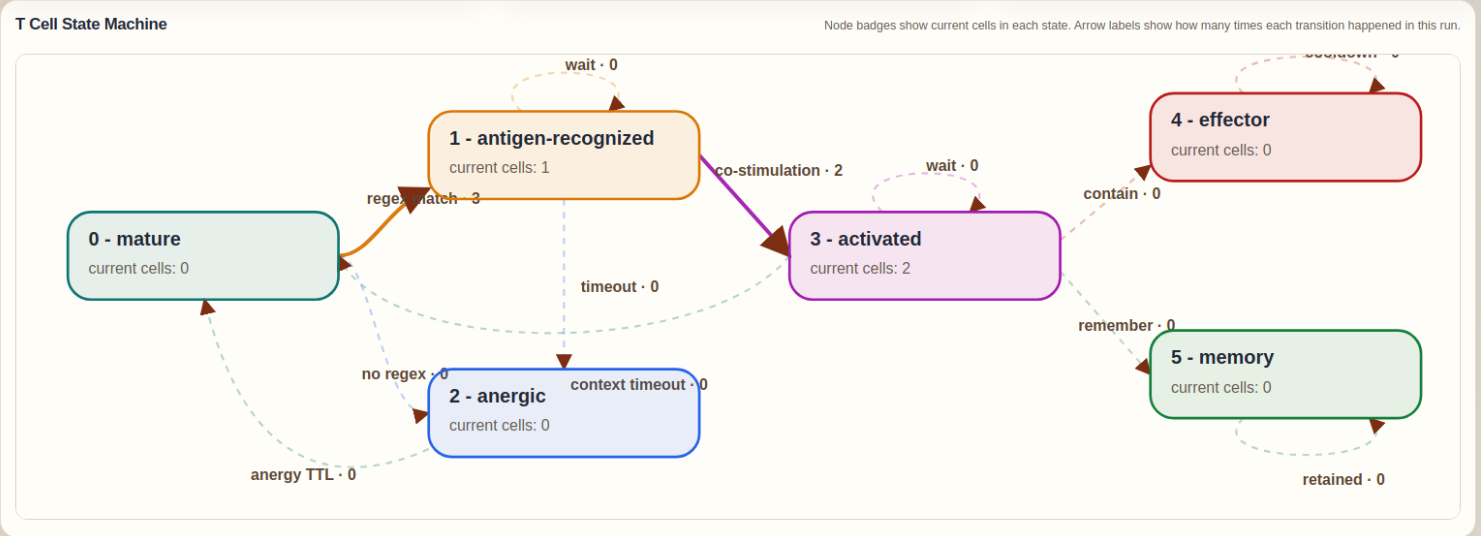
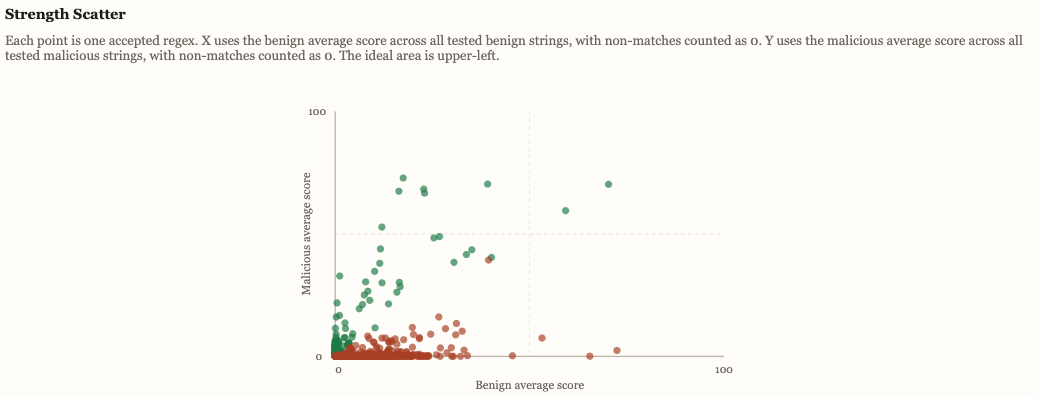
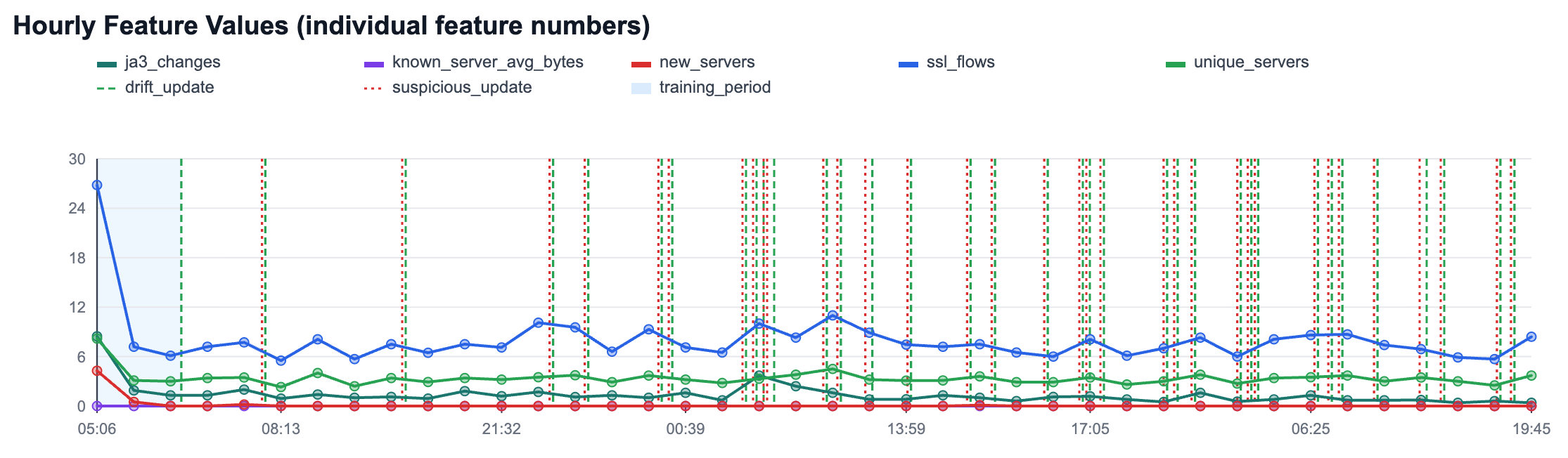


Training classifiers for network intrusion detection is hindered by two types of problems: data challenges (lack of labels, class imbalance, non-IID data, and concept drift) and engineering challenges (memory & compute efficiency, data ingestion, parallel training, and hyperparameter optimization). Existing ad-hoc scripts make it hard to reproduce results or compare models systematically across these conditions. An extendable machine learning pipeline is developed to address both, targeting malicious network flow classifiers for the Stratosphere Linux IPS (Slips). The output is a set of best-performing models at different FPR and F1 thresholds suitable for deployment in Slips.
Towards Better Understanding of Cybercrime: The Role of Fine-Tuned LLMs in Translation
Our paper explores the use of Large Language Models as mechanisms to translate public hacktivists messages from Russian to English as a way to address all these problems. We show how our method can achieve high-fidelity translations and significantly reduce costs by a factor ranging from 430 to 23,000 compared to a human translator.
Paper: A Study of Machete Cyber Espionage Operations in Latin America
On Wednesday, October 2, at the 29th Virus Bulletin International Conference (VB2019) in London, our researchers Veronica Valeros, Maria Rigaki, Kamila Babayeva and Sebastian Garcia will present the results of more than 3 years of studying and tracking the Machete APT in their talk “A Study of Machete Cyber Espionage Operations in Latin America”.
Upcoming Talk: A Study of Machete Cyber Espionage Operations in Latin America
On Wednesday, October 2, at the 29th Virus Bulletin International Conference (VB2019) in London, our researchers Veronica Valeros, Maria Rigaki, Kamila Babayeva and Sebastian Garcia will present the results of more than 3 years of studying and tracking the Machete APT in their talk “A Study of Machete Cyber Espionage Operations in Latin America”.


